
Palermo was once one of Europe’s great cities, especially during the Middle Ages when it was a major center of culture, trade, and power. That history is still visible today throughout the city. Its architecture blends Arab, Norman, Byzantine, and Baroque styles, reflecting centuries of conquest and influence. This guide to what to see and do in Palermo, Sicily, highlights the best sights and activities that capture Palermo’s rich and complex past as well as its modern-day culture and spirit. For more info, check out these articles on Palermo and Sicily.
What to See: 10 Can’t-Miss Sights
Cappella Palatina & Palazzo dei Normanni
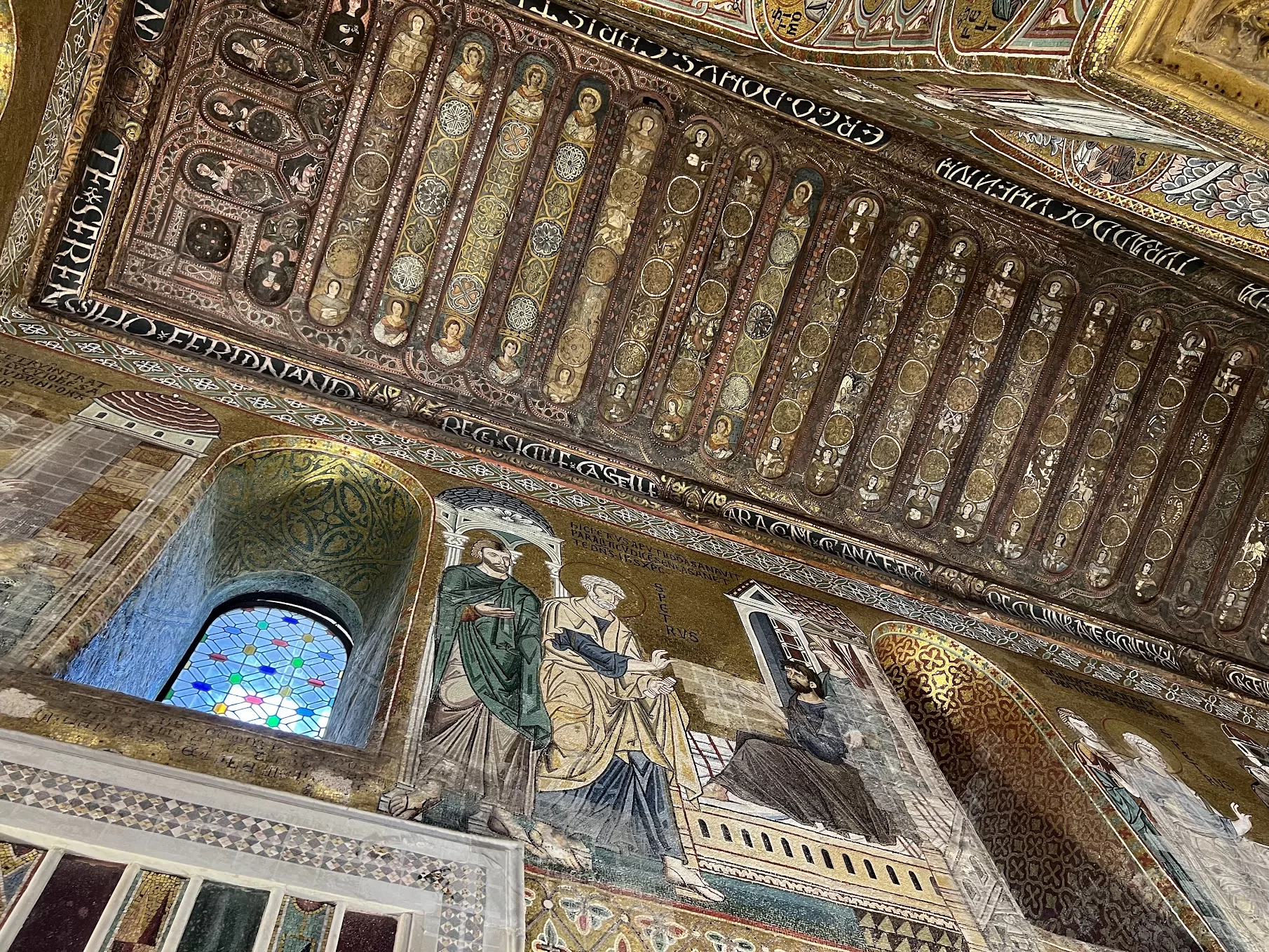
The 12th-century Palatine Chapel is an exquisite example of Palermo’s Arab-Norman history. It features Byzantine mosaics, an Islamic muqarnas ceiling, and Latin symbols, reflecting the city’s cultural diversity during the Middle Ages. The UNESCO World Heritage-listed chapel is located in the Royal Palace of Palermo, now home to Sicily’s regional parliament, where you can view the royal apartments. The chapel is filled with intricate details, so it’s worth visiting on a guided tour to appreciate its significance.
Cattedrale di Monreale
Located just outside Palermo, the Monreale Cathedral was built in the 12th century by King William II. It’s one of the most important and beautiful cultural sites in all of Sicily. The UNESCO World Heritage-listed cathedral is renowned for its massive golden mosaics featuring scenes from the Bible that cover over 6,000 square meters. You can do a guided tour of the Cattedrale di Monreale here.
Cattedrale di Palermo
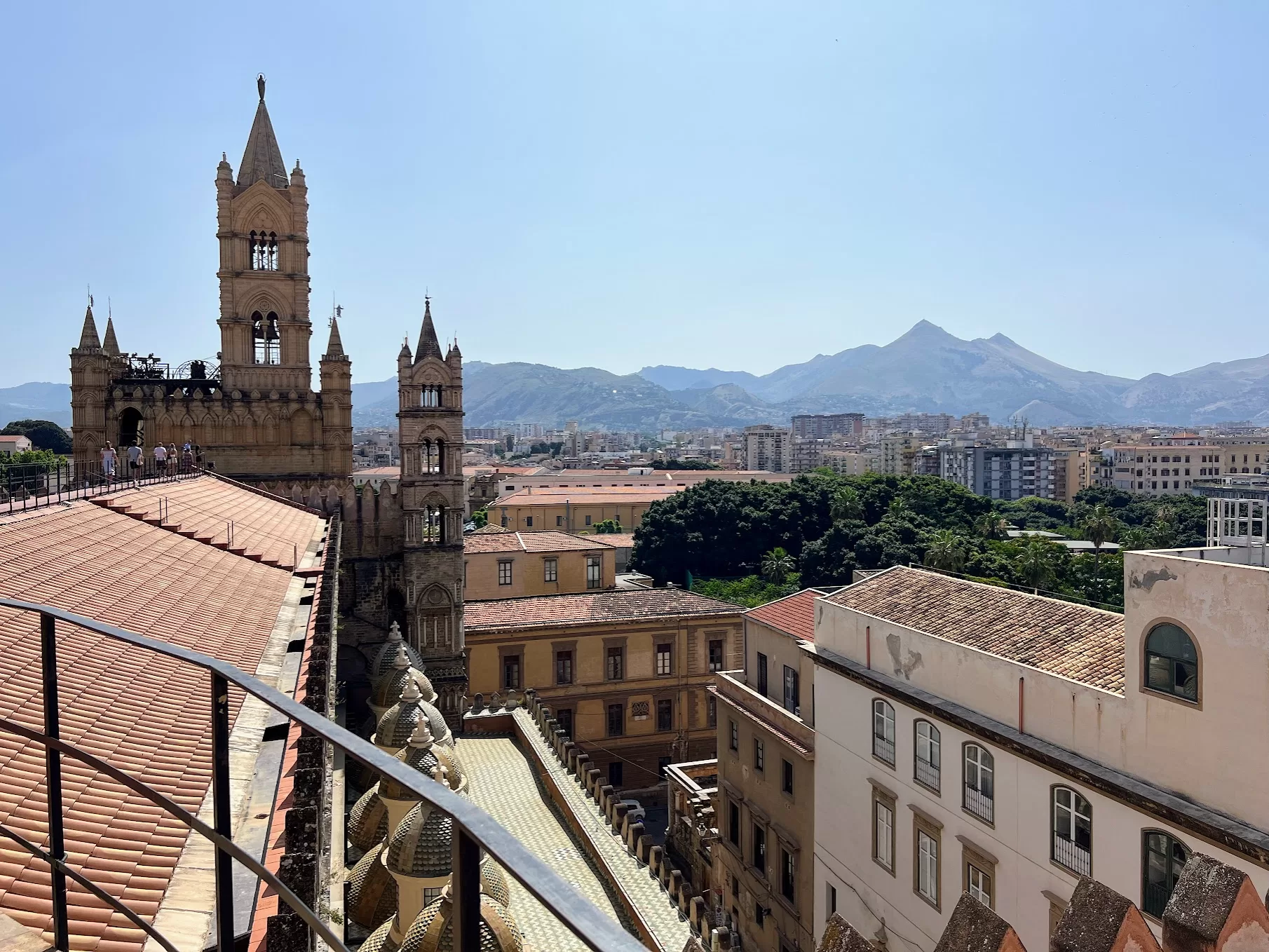
The Arab-Norman cathedral of Palermo, first constructed in the early 12th century, has been altered over the centuries by the city’s numerous foreign rulers. Its grand exterior is its best feature. Don’t miss the rooftop, where you can see the details of the top part of the cathedral and beautiful views of the city.
Chiesa del Gesù
Chiesa del Gesù is one of Palermo’s most ornate Baroque churches. Every inch of its stunning interior is covered in incredibly detailed marble inlays, stucco depicting life-like theatrical scenes, and frescoes. You could spend hours photographing it. Don’t miss the guided tour included in the price of the ticket.
Palazzo Conte Federico
This privately owned palace is still home to descendants of the noble Federico family, who lead the tour of their house themselves! Parts of the building date back to the 12th century and include Norman, Gothic, and Baroque features. You tour rooms filled with antique furniture, weapons, paintings, and frescoes. It’s a unique and fascinating glimpse into the history of Palermo and its noble class.
Teatro Massimo
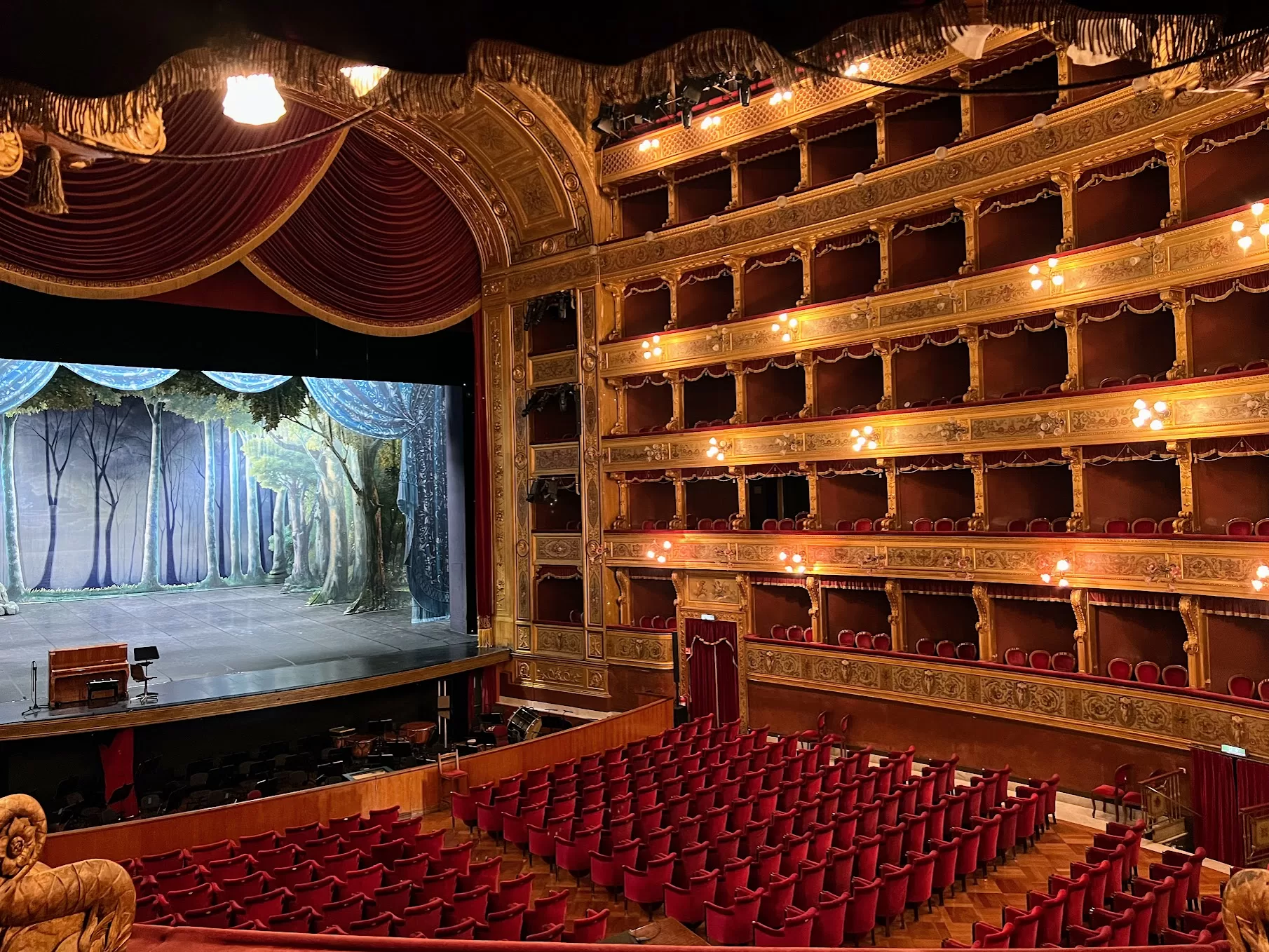
Teatro Massimo is the largest opera house in Italy and the third-largest in Europe. Opened in 1897, it’s known for its grand neoclassical design and excellent acoustics. The interior is incredibly lavish, with a stunning dome and ornate decorations. The epic finale of The Godfather Part III was shot there! If there’s a performance happening while you’re in Palermo (there wasn’t when I was there, sadly), don’t miss the opportunity to see it at Teatro Massimo. It’s one of the best experiences you can have in the city.
Fontana Pretoria
Fontana Pretoria is a massive 16th-century Renaissance fountain in the heart of the old city. It was built in Florence for a wealthy family but was later relocated to Palermo. It’s decorated with large marble statues of gods, nymphs, monsters, and animals. Locals called it the Fountain of Shame, possibly because of the statues’ nudity. When I visited in June 2025, the fountain was closed off for renovation.
Porta Nuova
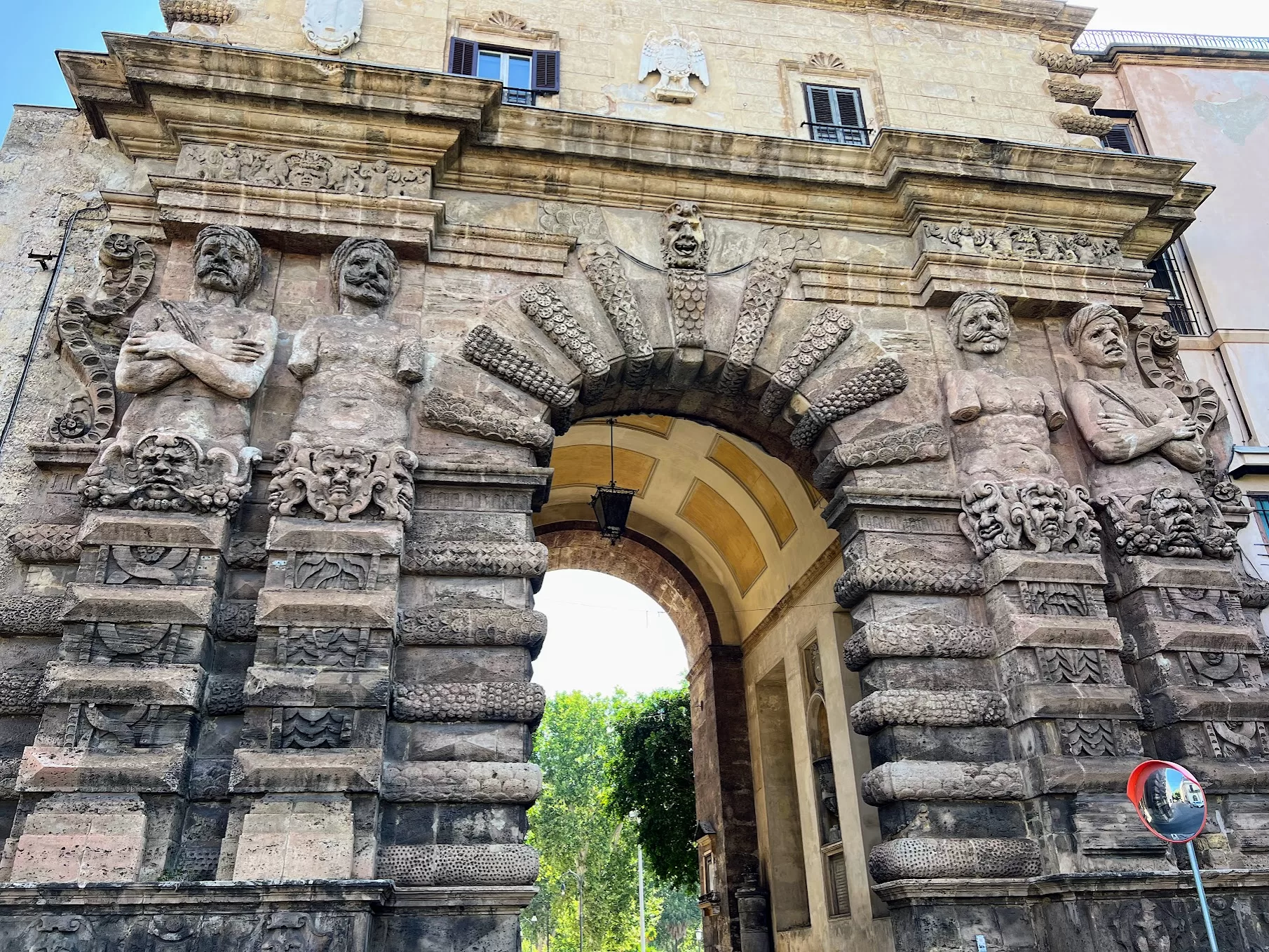
Porta Nuova is a striking 16th-century arched city gate at the entrance to the old city, next to the Royal Palace of Palermo (Palazzo dei Normanni). It’s spectacular! The statues represent the Moors whom the Holy Roman Emperor Charles V defeated when he captured Tunis from the Ottoman Empire in the 1530s.
Quattro Canti
Quattro Canti (Four Corners) is a piazza where two of Palermo’s main streets intersect in the center of the old city. Designed in the early 1600s, each corner of the square has a curved façade with statues representing the four seasons, Spanish kings, and Palermo’s female patron saints. It’s a bit crowded with some street vendors and lots of traffic, so I found it hard to really enjoy, but you still shouldn’t miss it.
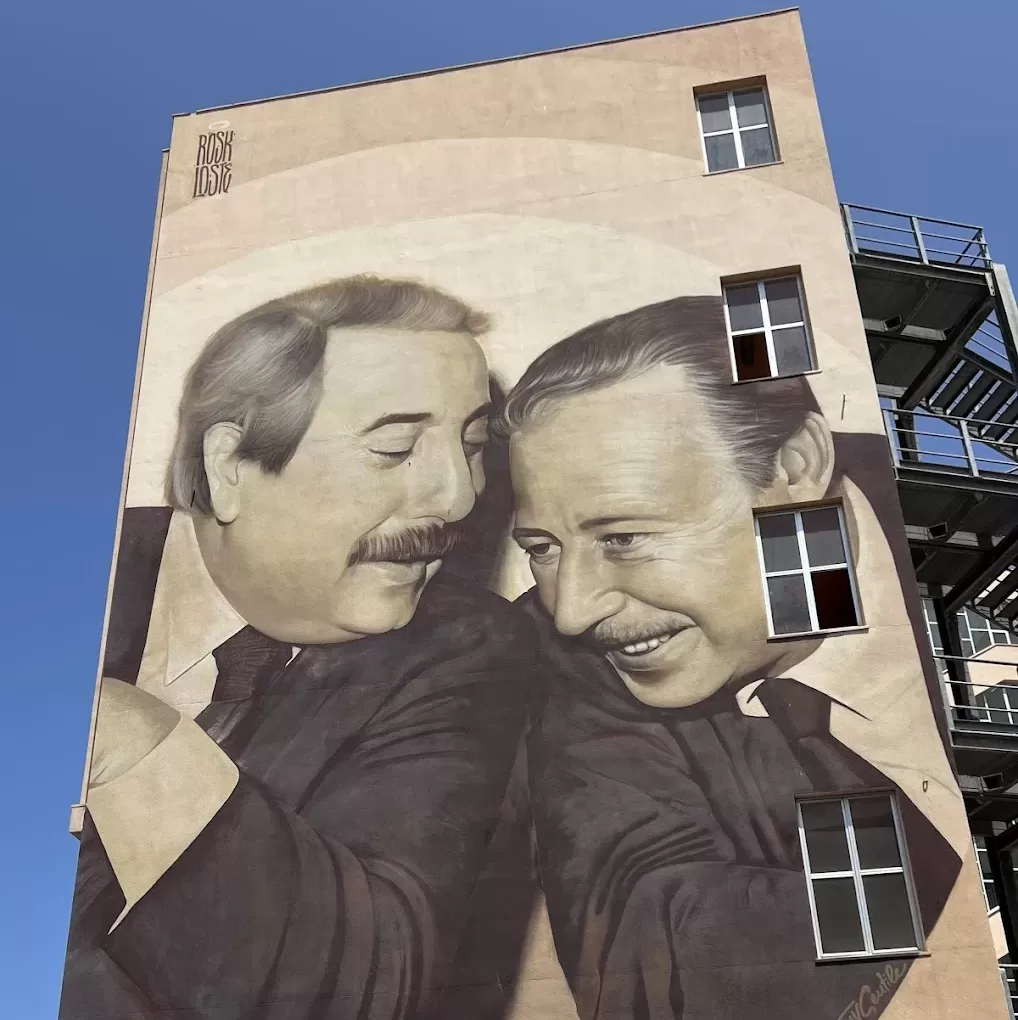
Mural of Giovanni Falcone and Paolo Borsellino
Near the port, a large mural by Maurizio Giulio ‘Rosk’ Gebbia and Mirko ‘Loste’ Cavalletto honors anti-mafia judges Giovanni Falcone and Paolo Borsellino, who were assassinated in 1992. The black-and-white portrait is based on a photo of them. It’s a powerful symbol of hope and remembrance in Palermo.
What to Do: Palermo’s Best Activities
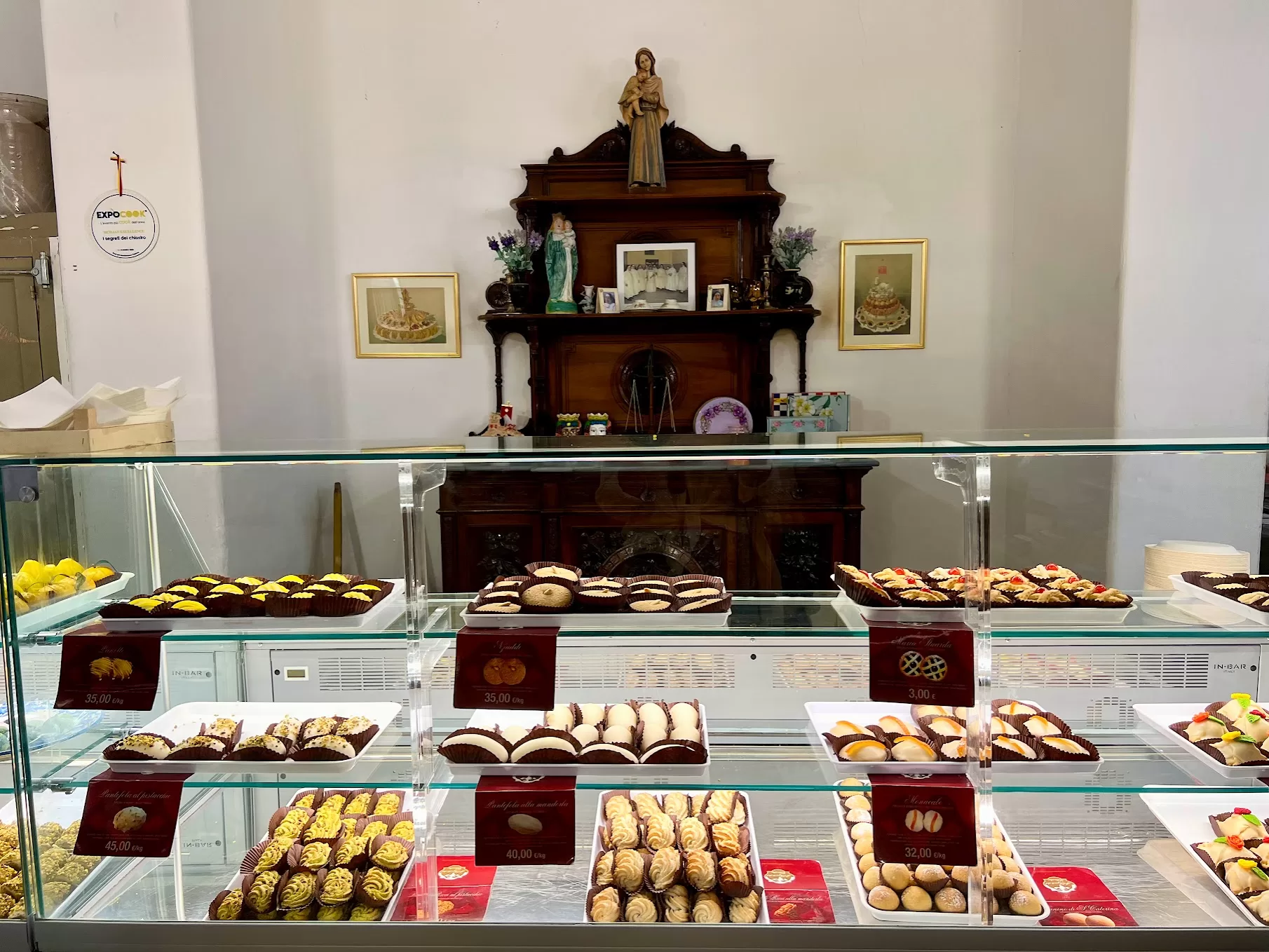
I Segreti del Chiostro
Don’t miss I Segreti del Chiostro inside the Convento di Santa Caterina. The convent was home to cloistered nuns until 2014 and is now run by professional female bakers making the best cassata, cannoli, and other ricotta-based sweets. Walking through the convent to reach the shop and eating your sweets in a picturesque courtyard are the cherry on top of this unique, memorable experience.
Anti-Mafia Tour
I highly recommend this tour. It’s excellent – both educational and fascinating. Learning about the complex history of the mafia and Sicily’s grassroots fight against it from a passionate anti-Mafia activist was the best experience I had in Palermo. Do this tour when you first arrive because you’ll see anti-Mafia graffiti, murals, and campaigns around town that you won’t understand otherwise.
Street Food Tour
This food tour is one of the most popular things to do in Palermo, for good reason. Not only will you eat great food, you’ll visit places in the city you wouldn’t find on your own and learn about Sicily’s culinary history, influenced by centuries of rule under the Arabs, Normans, Greeks, and Spanish, to name a few. For more on Sicily’s unique history, culture, and cuisine, check out these 10 fun facts.
Catacombe dei Cappuccini
For something a bit different, you can visit an underground cemetery with about 8,000 corpses and mummies lining the walls. The catacombs, intended as a burial site for friars in the late 15th century, evolved into a prestigious resting place for the local elite from the 17th to 19th centuries. On this tour, you learn about the history of the site, the friars’ mummification process, and stories about some of the catacombs’ famous residents, like Rosalia Lombardo, the Sleeping Beauty of Palermo.
Cooking Class
Sicily is home to some of Italy’s best food (here are 5 desserts you must try there). Learn how to cook authentic Sicilian dishes and about the region’s rich culinary history through a cooking class! This is my favorite thing to do in any country. It’s a great way to learn more about the local culture.
Leave A Comment